Research Reading: Approaches to click-through rate estimation (1/x) πŸ€“

Part 1 of the CTR estimation research series: analyzing Microsoft Bing's production model-ensemble architectures for large-scale search ad click prediction.

CTR Prediction Model Ensembles Search Ads GBDT + Neural Nets

As a Machine Learning Engineer, I got to read/present a couple of research papers pertaining to my domain at work this year so I thought why not share it here on my blog as well πŸ’πŸ»β€β™€οΈ

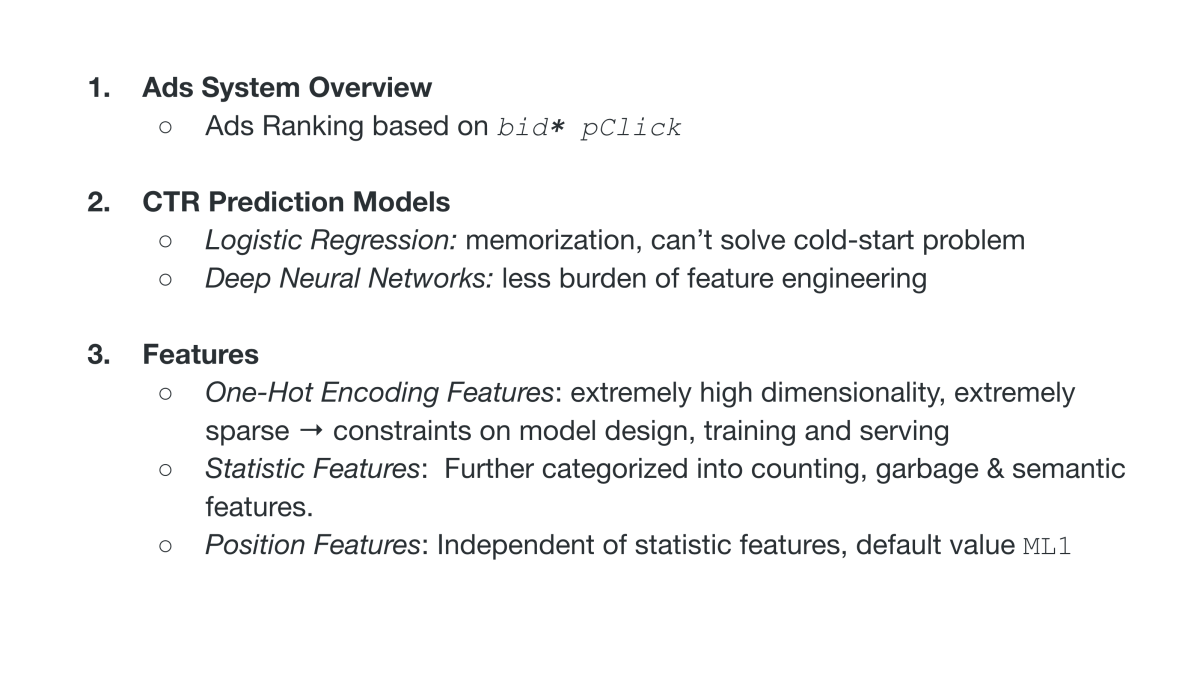
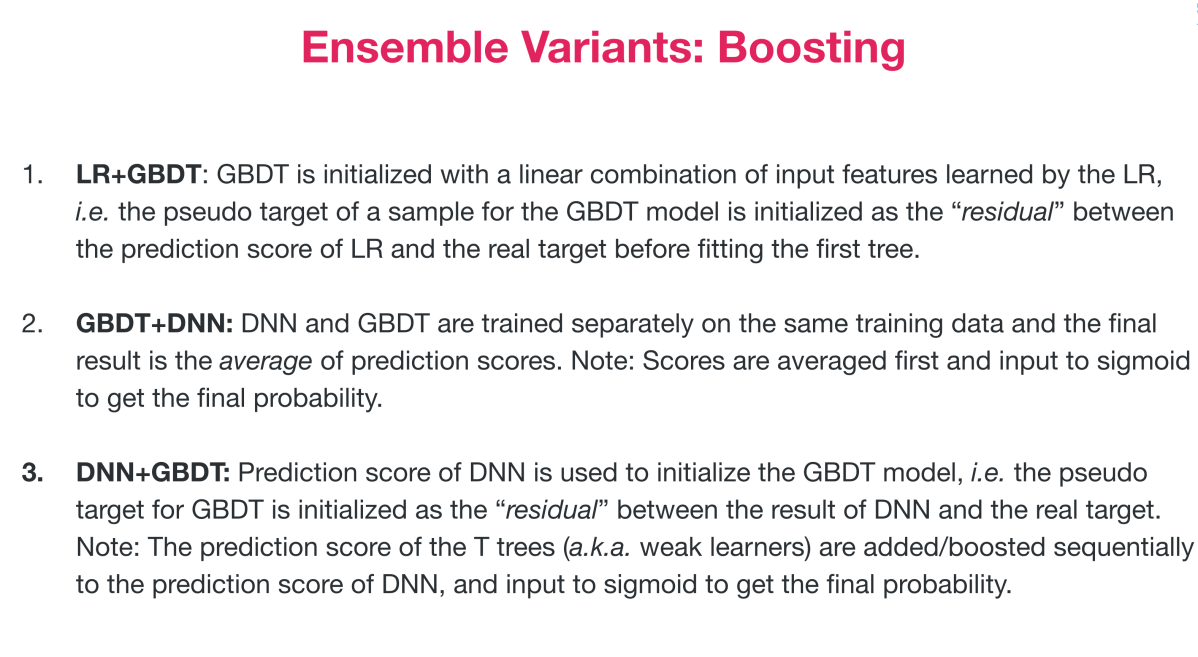
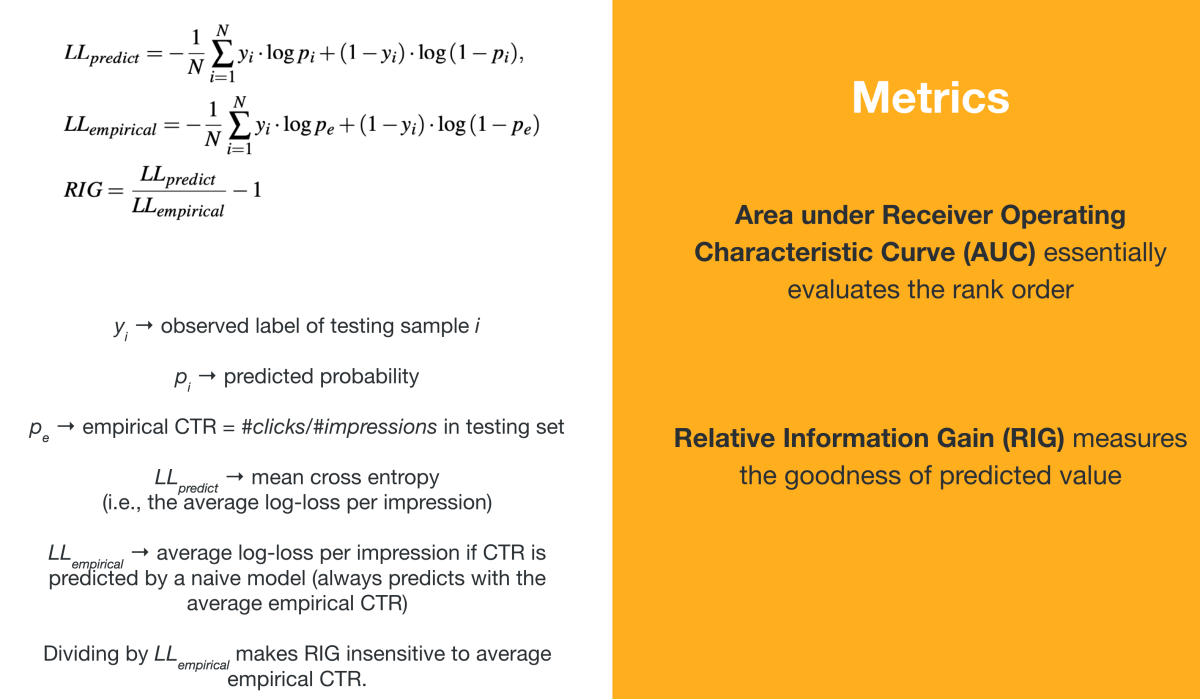
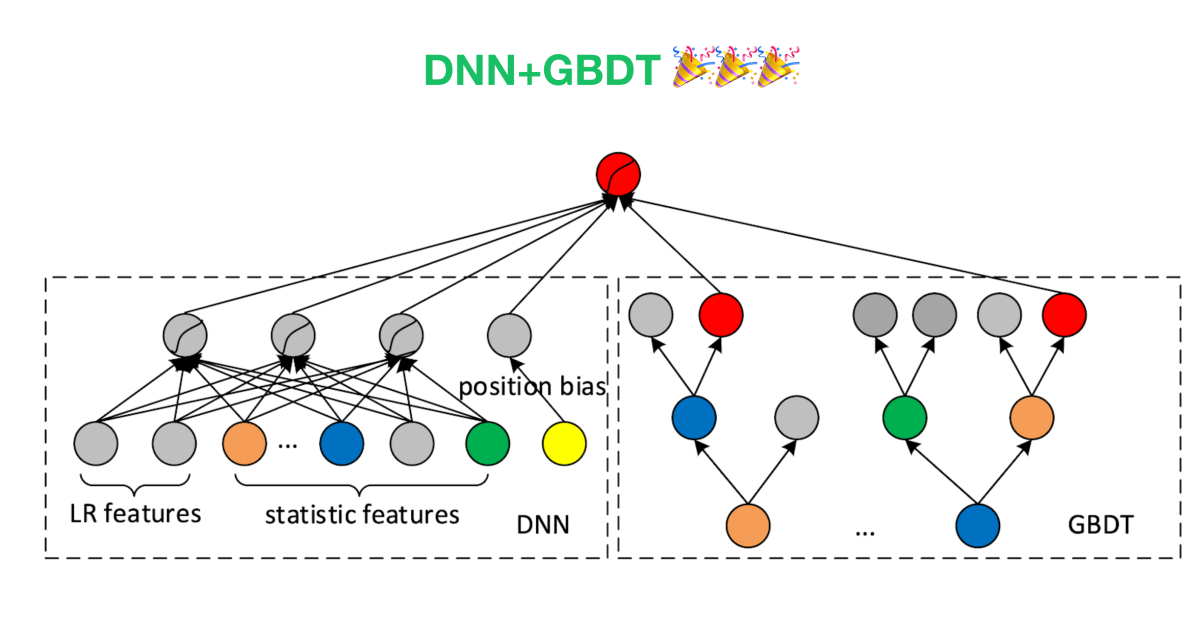
In this segment, I will share reading specifically related to click-through rate (CTR) estimation viz. Model Ensemble for Click Prediction in Bing Search Ads by Microsoft Bing and Microsoft Research published in April 2017.

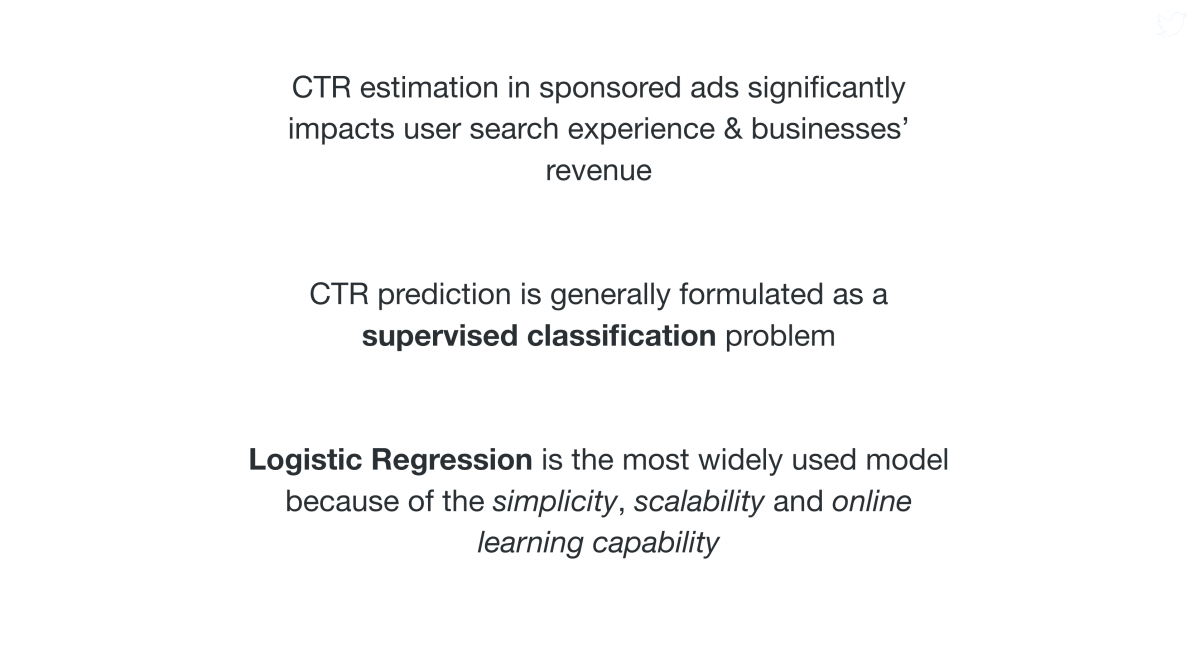
According to Google Ads Help, CTR is aΒ ratio showing how often people who see your ad end up clicking it. It can be used to gauge how well your keywords and ads are performing.

By definition: CTR is the number of clicks that your ad receives divided by the number of times your ad is shown: CTR = clicks Γ· impressions. For example, if you had 5 clicks and 100 impressions, then your CTR would be 5%. Each of your ads and keywords have their own CTRs that you can see listed in your account. A high CTR is a good indication that users find your ads helpful and relevant. CTR also contributes to your keyword’s expected CTR, which is a component of Ad Rank. Note that a good CTR is relative to what you’re advertising and on which networks. You can use CTR to gauge which ads and keywords are successful for you and which need to be improved. The more your keywords and ads relate to each other and to your business, the more likely a user is to click on your ad after searching on your keyword phrase.

Reference: Google Ads Help
Illustration 1 β€” Research Reading: Approaches to click-through rate estimation 1x

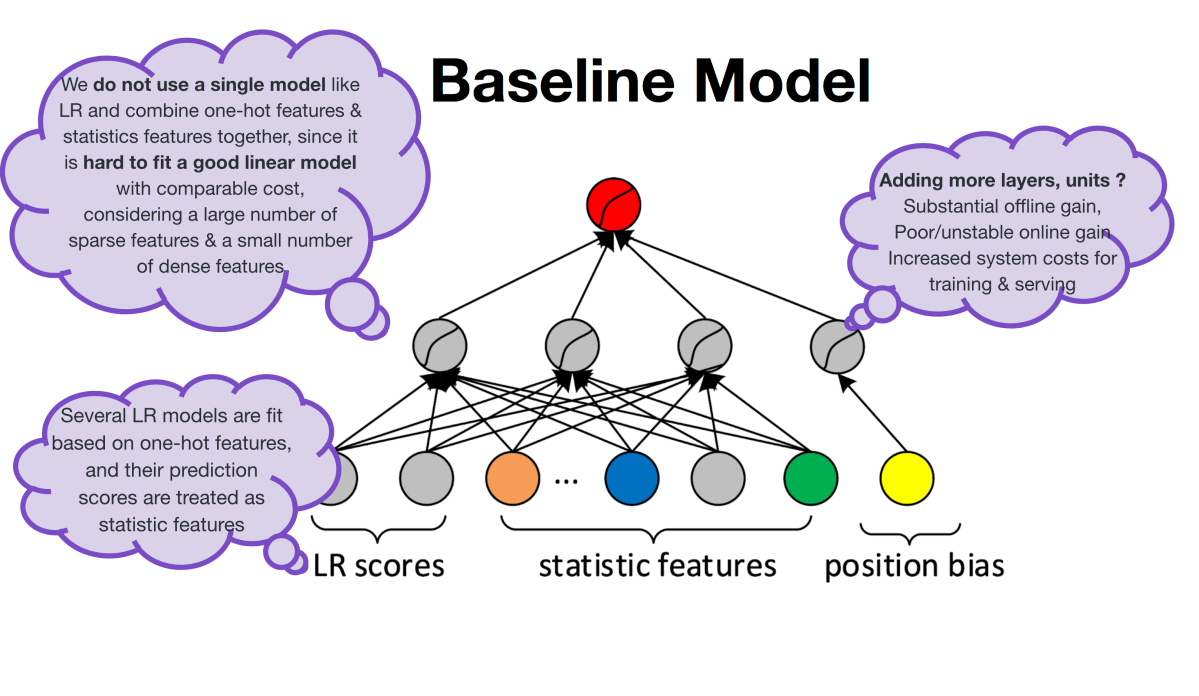
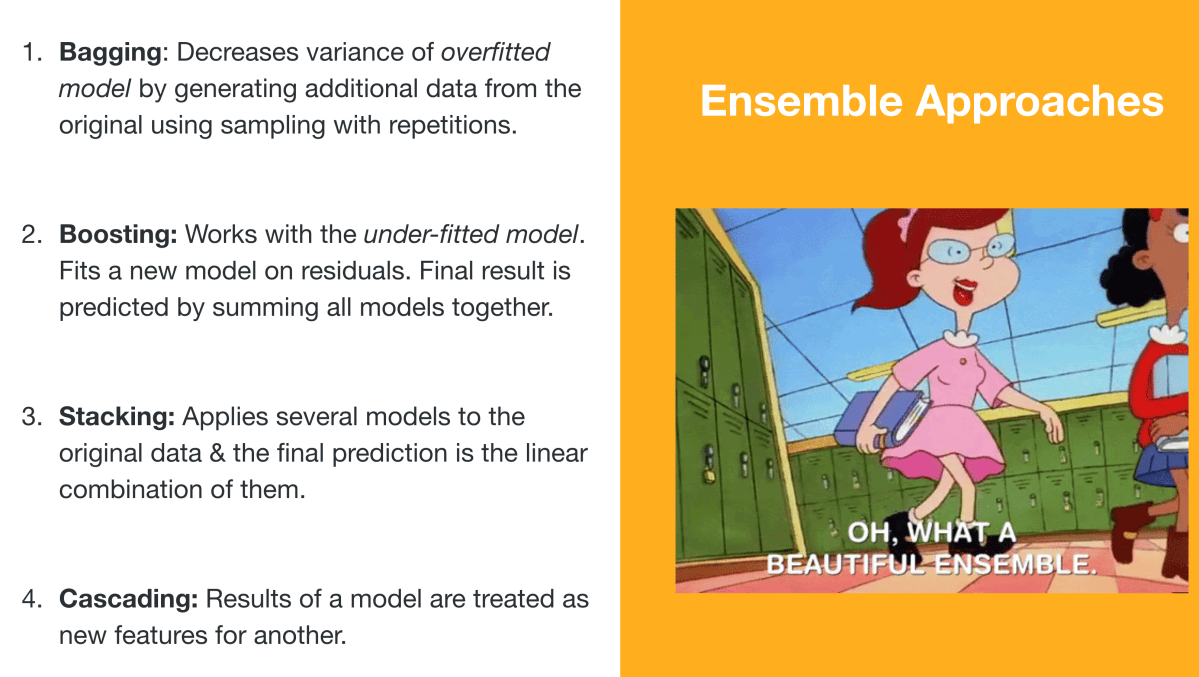
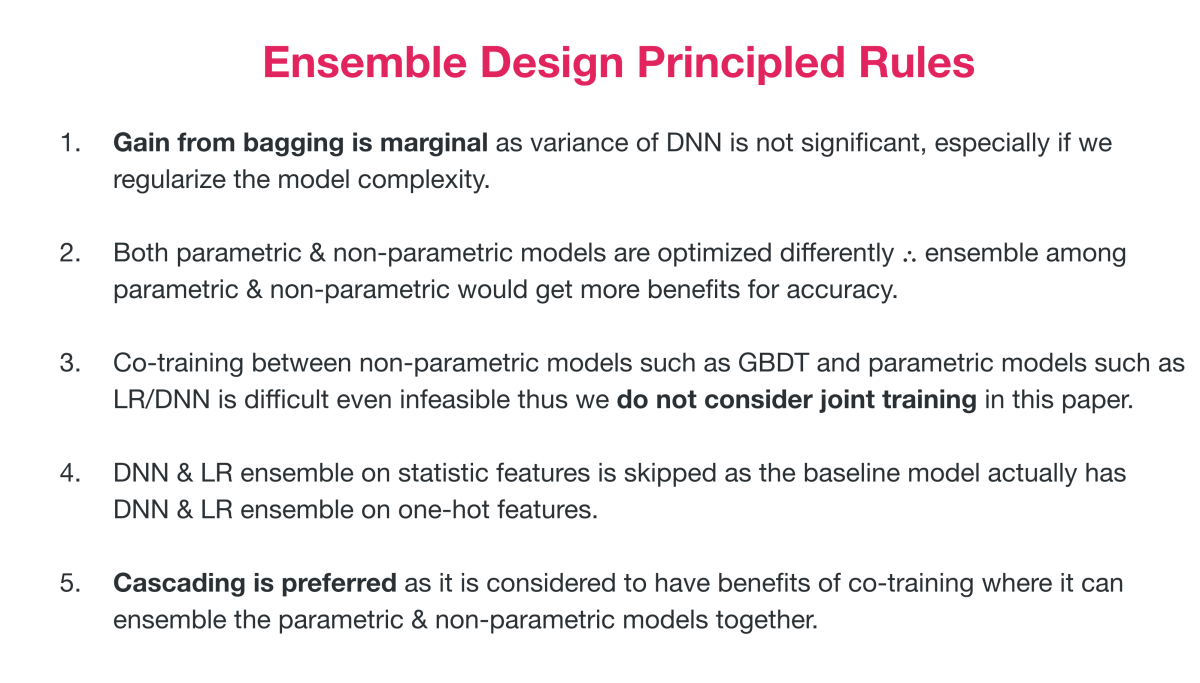
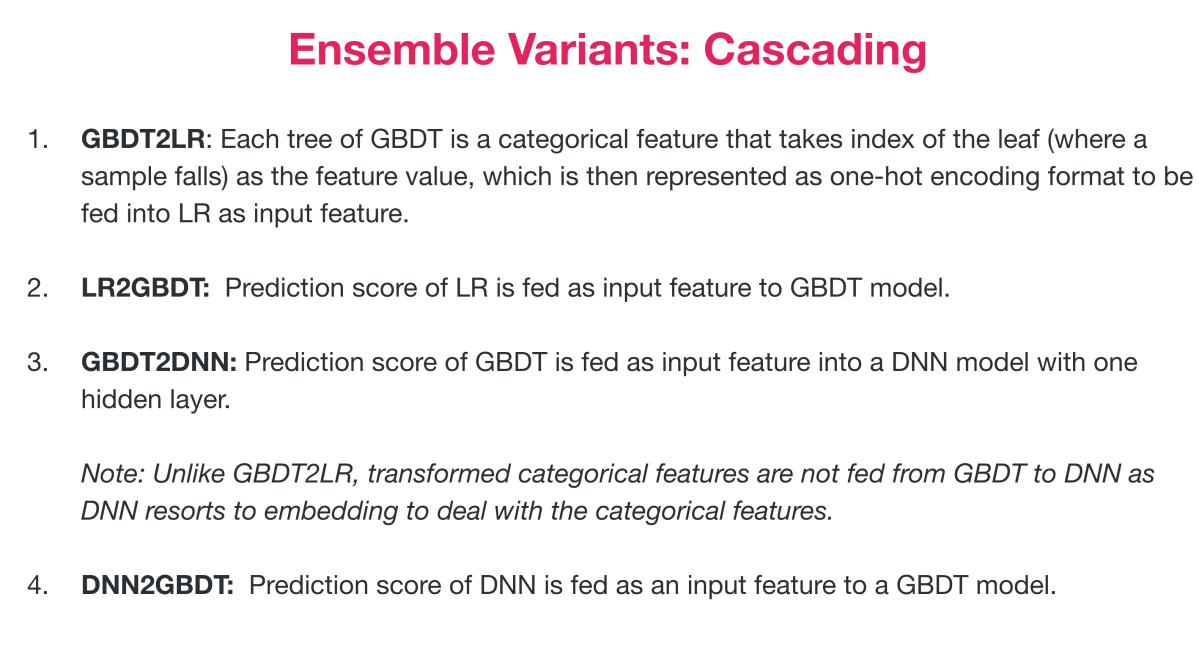
Illustration 2 β€” Research Reading: Approaches to click-through rate estimation 1xIllustration 3 β€” Research Reading: Approaches to click-through rate estimation 1xIllustration 4 β€” Research Reading: Approaches to click-through rate estimation 1xIllustration 5 β€” Research Reading: Approaches to click-through rate estimation 1xIllustration 6 β€” Research Reading: Approaches to click-through rate estimation 1xIllustration 7 β€” Research Reading: Approaches to click-through rate estimation 1xIllustration 8 β€” Research Reading: Approaches to click-through rate estimation 1xIllustration 9 β€” Research Reading: Approaches to click-through rate estimation 1xIllustration 10 β€” Research Reading: Approaches to click-through rate estimation 1xIllustration 11 β€” Research Reading: Approaches to click-through rate estimation 1xIllustration 12 β€” Research Reading: Approaches to click-through rate estimation 1xIllustration 13 β€” Research Reading: Approaches to click-through rate estimation 1xIllustration 14 β€” Research Reading: Approaches to click-through rate estimation 1xIllustration 15 β€” Research Reading: Approaches to click-through rate estimation 1x

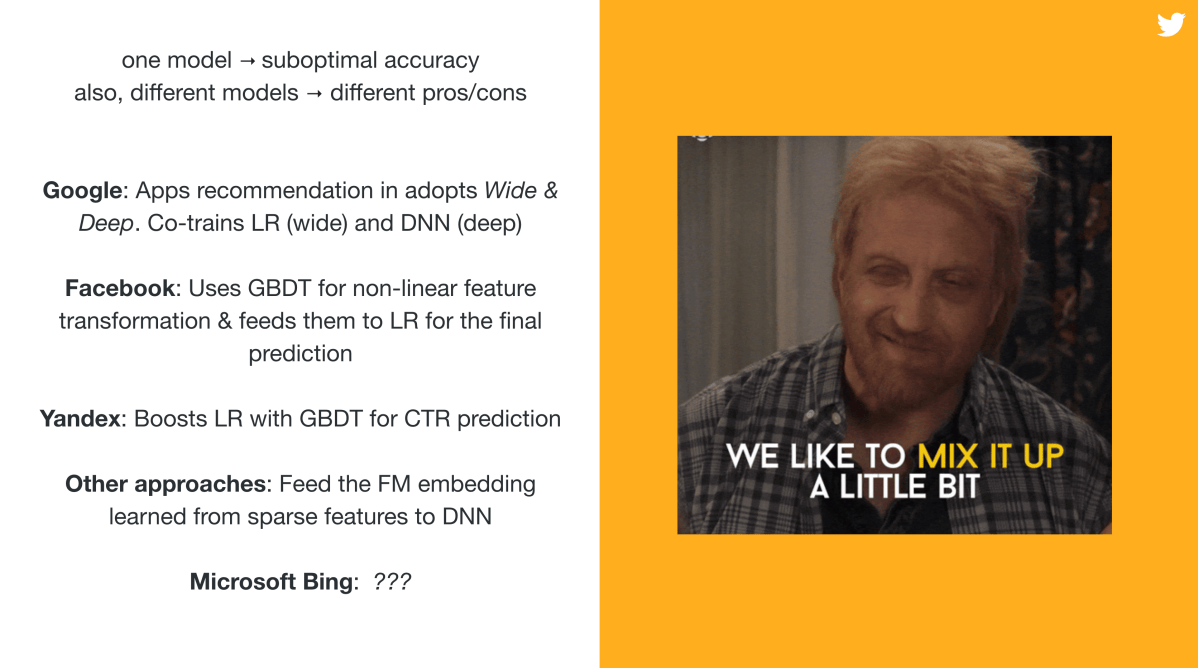
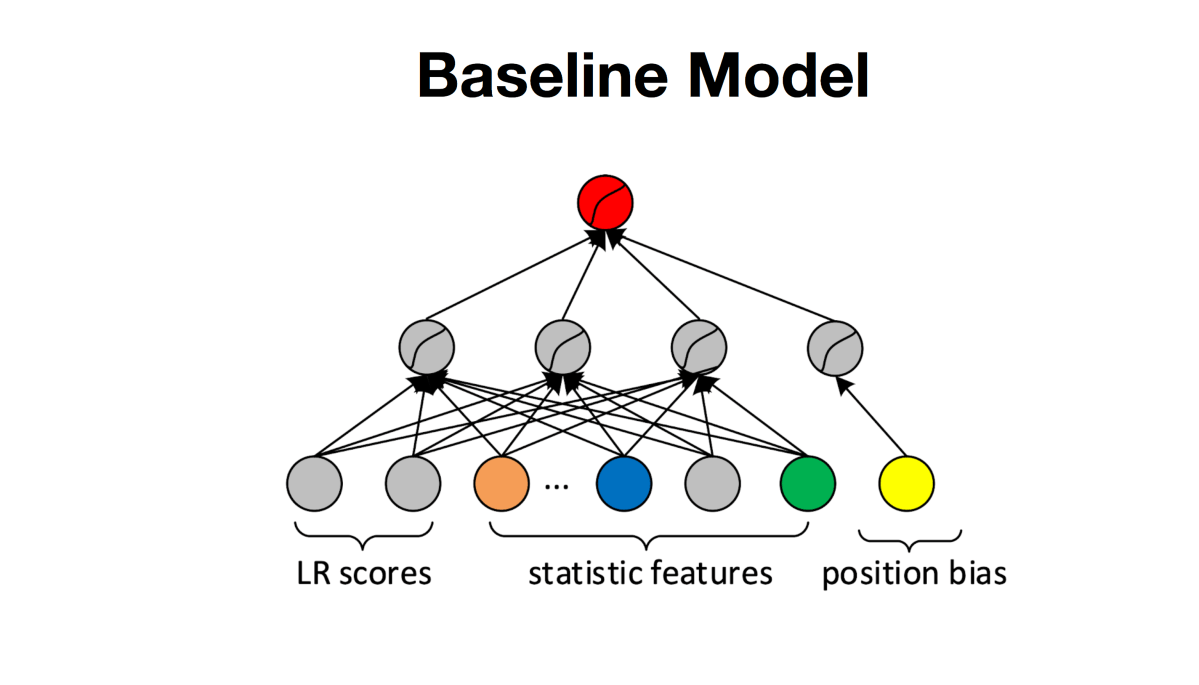
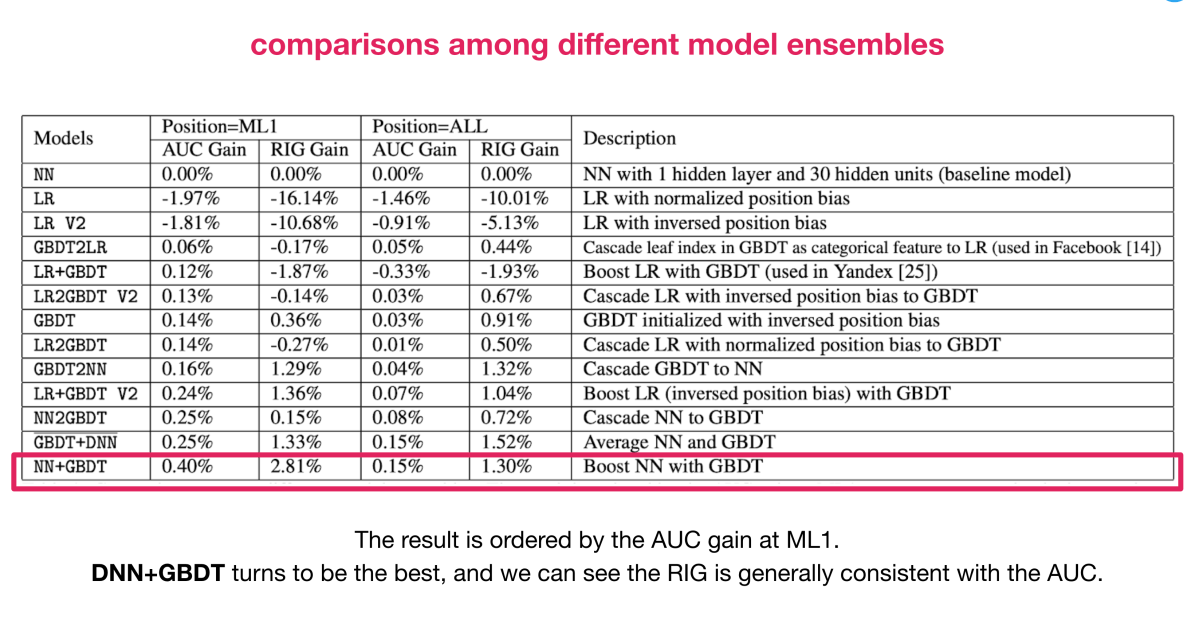
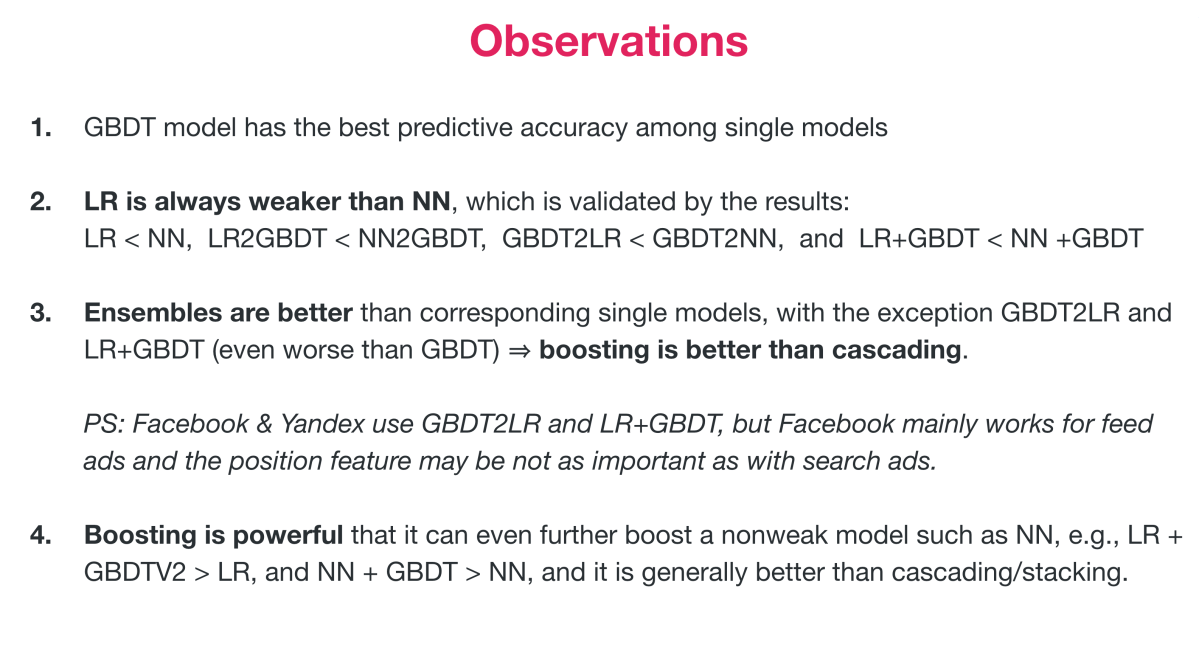
This reading gave me insights into how cascading and boosting methods could be amalgamated to bring out the best from each in the form of ensembles and thus assist the increase in predictive accuracy. Hope this quick overview of the research paper also helps someone out there πŸ‘‹πŸ»

PS: Part 2 of this segment with an overview of Deeply Supervised Semantic Model for Click-Through Rate Prediction in Sponsored Search by Yahoo! Research and Temple University coming up soon!

Continue Reading
Jan 2024

Bridging production ad-ranking personalization with multimodal generative synthesis using Gemini Pro Vision.

Personalization & Ranking
Dec 2019

Part 3 of the CTR estimation research series: dissecting Alibaba's AAAI 2019 Deep Interest Evolution Network (DIEN) for modeling temporal user interest shifts.

Personalization & Ranking
Dec 2019

Part 2 of the CTR estimation research series: examining Yahoo! Research's Deeply Supervised Semantic Model for sponsored search click prediction.

Personalization & Ranking